Coronary Care Unit Medical Devices

3-Motor Patient Bed

This functional care unit optimizes both patient comfort and caregiver convenience in hospital wards and home care settings. Thanks to its three independent powerful motors, the backrest angle, footrest angle, and overall bed height can be effortlessly adjusted using a handheld remote control. The bed’s lift (height) feature enables the safe transfer of the patient and allows healthcare staff to maintain an ergonomic working position.
Ventilator

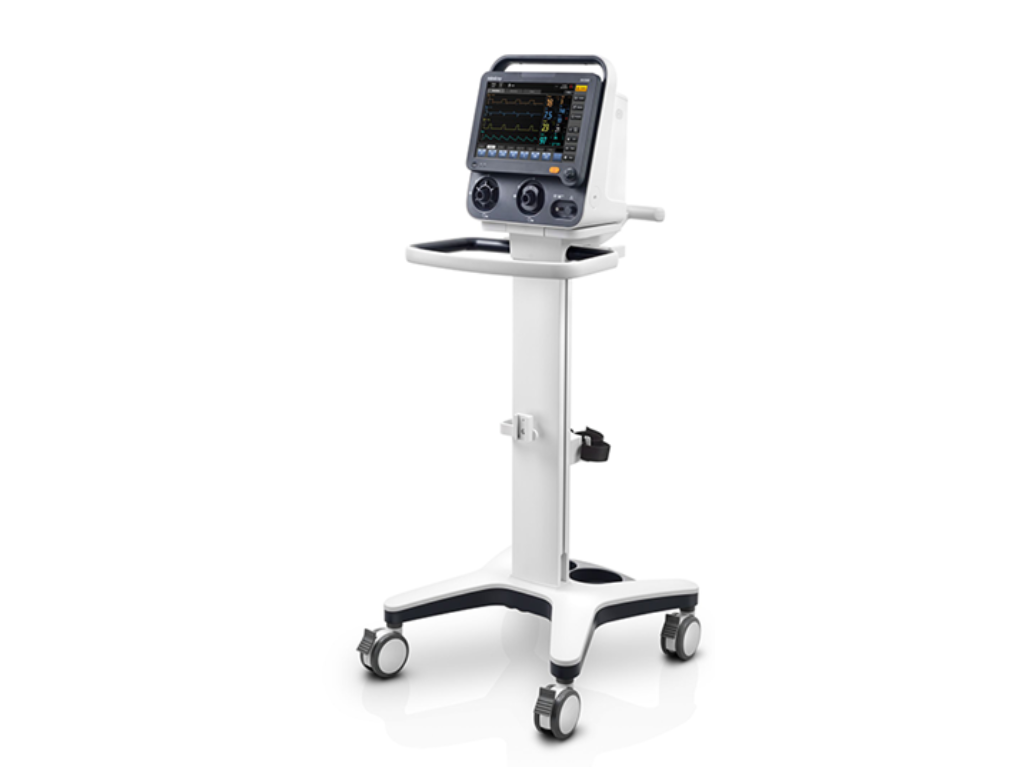
This state-of-the-art life support unit provides vital oxygen support and lung ventilation for patients suffering from respiratory failure or unable to breathe on their own. With a wide range of respiratory modes (invasive and non-invasive) suitable for all patient groups from newborns to adults, it comprehensively manages clinical processes. Thanks to high-precision flow and pressure sensors, it detects the patient’s respiratory effort within milliseconds and provides synchronized support.

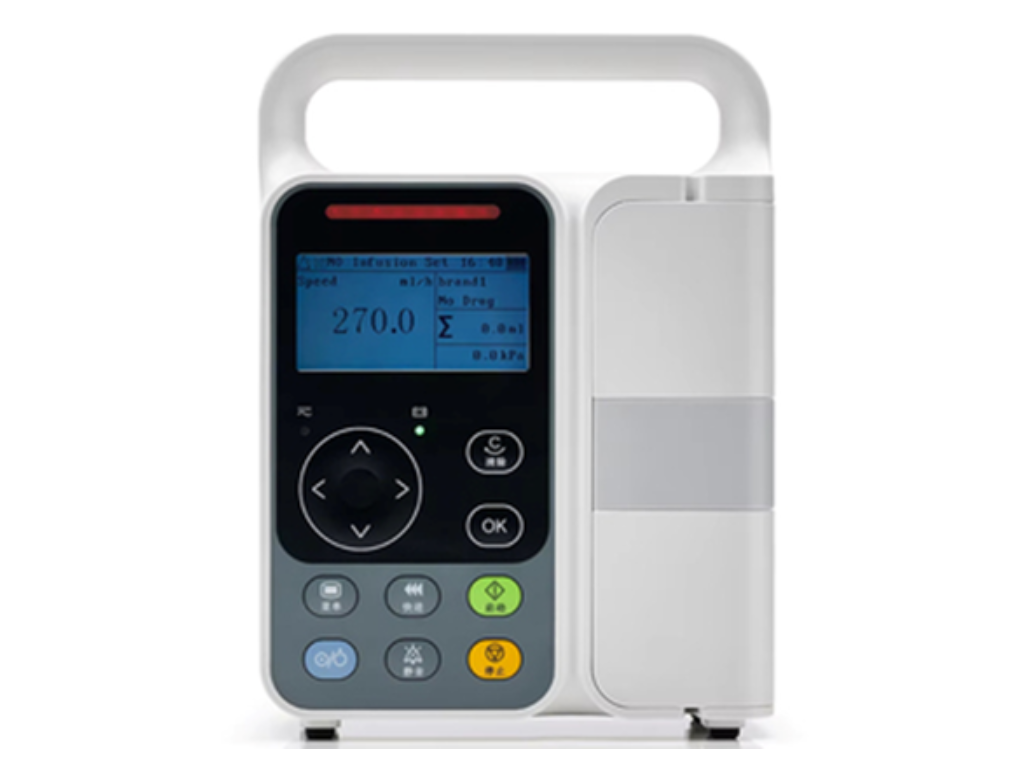
Infusion Pump

This is a digital dosing system that ensures critical medications and fluids are injected into the patient within a specified timeframe at an extremely precise and constant rate. By eliminating the margin of error that can occur in manual applications, it maximizes medication safety, particularly in intensive care and anesthesia procedures. Thanks to its wide flow rate range and advanced air bubble/clog sensors, it instantly detects any disruptions that may occur during fluid delivery and provides visual and audible alerts.

Nebulizer

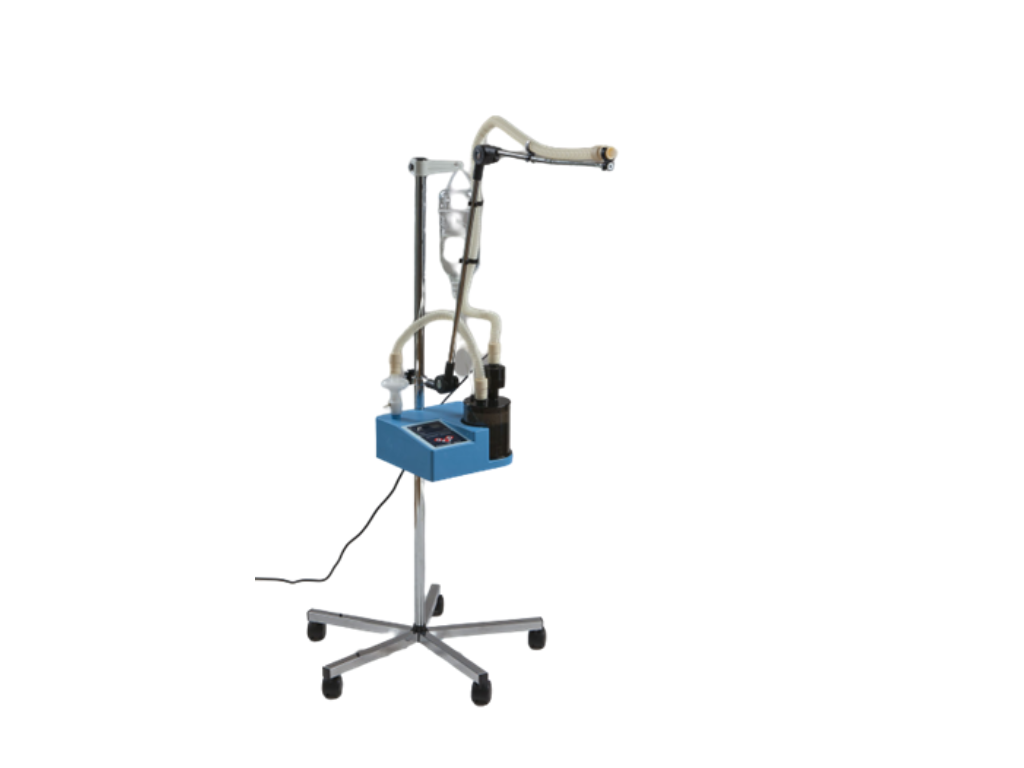
It is a medical device that converts liquid medications into a fine, inhalable mist and delivers them directly to the lower respiratory tract, playing a critical role in the treatment of lung diseases such as asthma, COPD, and cystic fibrosis. Thanks to advanced nebulization technology, it reduces medication particles to an ideal size that can penetrate as far as the alveoli.

ACT Device

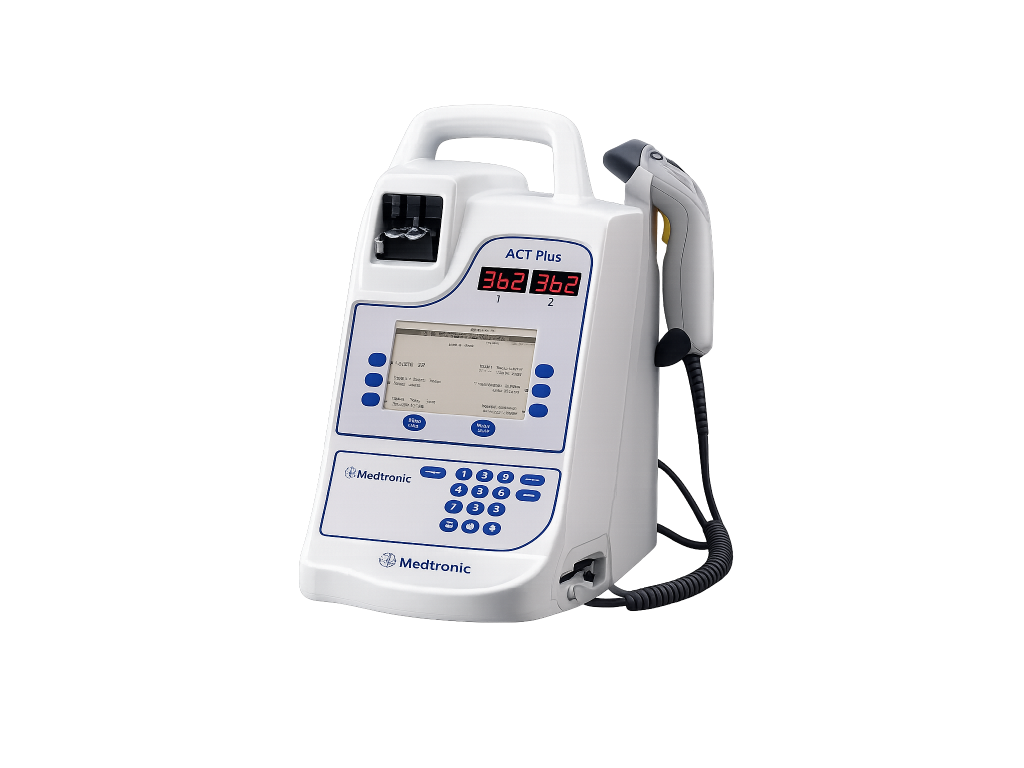
It is a critical diagnostic device that determines blood clotting time at the bedside within seconds, particularly during procedures such as open-heart surgery, percutaneous coronary interventions, and hemodialysis, where high-dose heparin use is required. Thanks to advanced micro-electromechanical sensor technology, it provides real-time insights into the patient’s response to heparin and their coagulation profile without waiting for laboratory results.

ECG Machine

This state-of-the-art diagnostic unit records the heart’s electrical activity with high resolution and is considered the gold standard in the evaluation of the cardiovascular system. Thanks to advanced digital filtering technology, it eliminates muscle tremors and power line noise to provide the clearest waveforms (P-QRS-T). Its built-in thermal printer and large color display allow for the simultaneous monitoring of 12 channels and the immediate generation of printouts.

Defibrillator

In the event of sudden cardiac arrest, it is a vital life-support device that restores normal heart rhythm by delivering a controlled electrical shock to the heart. Thanks to advanced biphasic wave technology, it delivers maximum effectiveness at lower energy levels while minimizing the risk of trauma to the heart muscle. In addition to manual operation mode, its automatic analysis (AED) feature and integrated monitor enable safe and rapid intervention for healthcare personnel of all levels.

Thermometer

Thanks to advanced infrared sensor technology, this state-of-the-art diagnostic device measures body temperature without skin contact, in just one second and with high accuracy. It is particularly suitable for outpatient clinics and hospital settings with high patient traffic, where it completely eliminates the risk of cross-infection, ensuring a safe and hygienic measurement process.

Blood Pressure Monitor

It is a professional vital signs monitoring system designed to continuously monitor blood pressure readings in critically ill patients with high precision. Unlike standard devices, it features advanced clinical algorithms capable of producing the most accurate systolic and diastolic readings even in patients with low perfusion (weak pulse) or who are moving.

Patient Monitor

This monitoring system continuously tracks vital parameters such as ECG, blood pressure, oxygen saturation, and respiration in critically ill patients with high precision. Thanks to advanced arrhythmia analysis and customizable alarm thresholds, it provides healthcare personnel with immediate visual and audible alerts for any clinical changes, enabling early intervention. With its high-resolution screen featuring a wide viewing angle and full integration with central hospital systems, it provides complete control in intensive care, operating room, and ward settings.