Outpatient Clinic Medical Devices

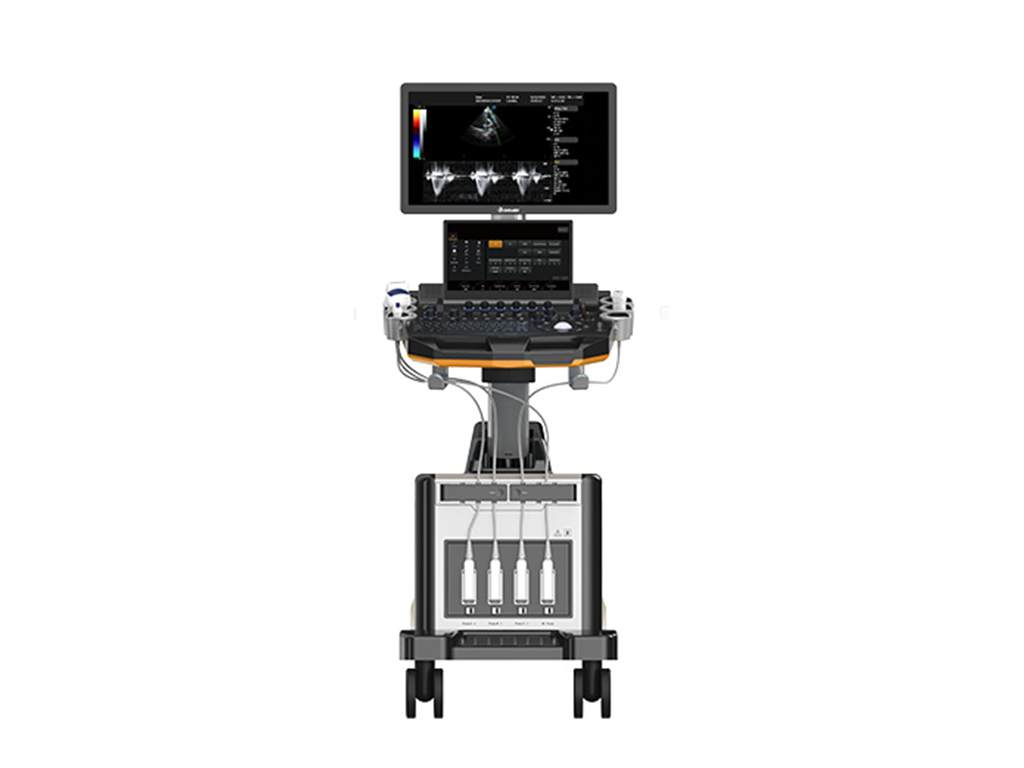
Cardiology Ultrasound Machine

It is an advanced diagnostic center that visualizes the anatomy of cardiac and vascular structures, valve functions, and blood flow dynamics in real time. Combined with digital noise-reduction algorithms that guide physicians in the diagnosis of complex cardiac pathologies, it provides laboratory-quality visual data. Thanks to intelligent software support, it automates critical measurements such as ejection fraction (EF) and strain analysis, thereby accelerating the diagnostic process.

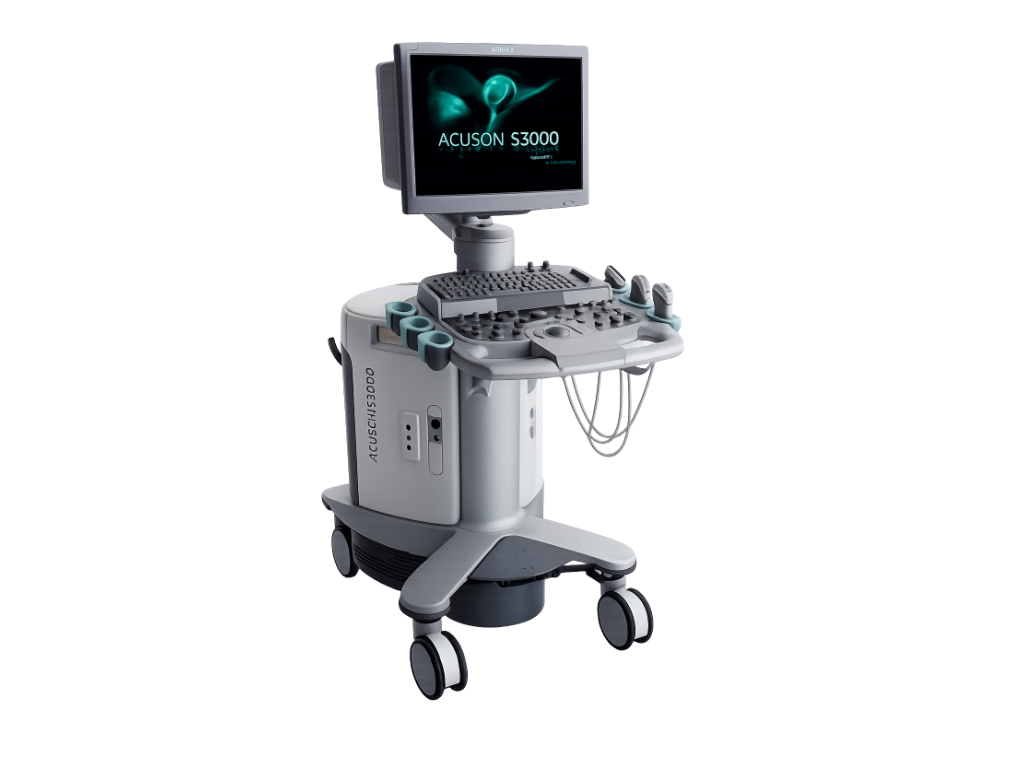
Obstetric Ultrasound Machine

A high-resolution imaging system used at every stage of women’s health, from prenatal care to gynecological diagnostics. This system monitors the baby’s development, organ structure, and blood flow in real time; using 3D and 4D (live 3D) technology, it presents the baby’s facial features and movements to the family with crystal-clear clarity.

Radiology Ultrasound Machine

It is the most basic diagnostic system that uses high-frequency sound waves to visualize organs, tissues, and blood flow within the body in real time, without the use of radiation. In outpatient settings, it is used for a wide range of applications, from abdominal scans to vascular (blood vessel) examinations, and from small superficial organs (thyroid, breast) to prenatal monitoring.

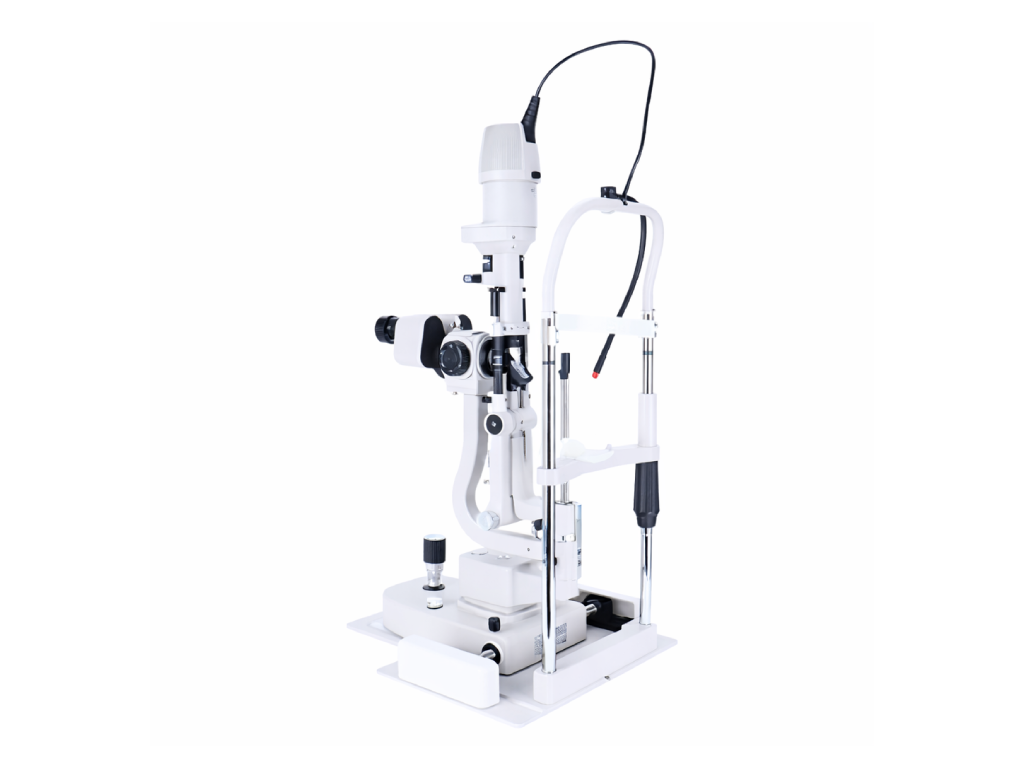
Biomicroscope

It is the most fundamental diagnostic tool in ophthalmology, enabling the examination of all anatomical structures—from the anterior segment of the eye (cornea, conjunctiva, iris, lens) to the depths of the vitreous— using high magnification and specialized lighting techniques. Advanced “Slit Lamp” technology allows for in-depth analysis of tissues by directing light into the eye in vertical or horizontal sections.

Fat Laser Device

It is a state-of-the-art treatment system that performs microscopic procedures using focused light energy without making a surgical incision in the eye’s internal structures. It instantly restores the patient’s visual acuity by clearing posterior capsule opacities (secondary cataracts) that develop after cataract surgery in a matter of seconds.

Corneal Topography Device

It is an advanced digital imaging system that analyzes the curvature, refractive power, and height of the cornea’s front surface using thousands of measurement points, effectively creating the eye’s “fingerprint.” Unlike traditional keratometers, it generates color topographic maps covering the entire cornea, playing a critical role in the early diagnosis of conditions such as keratoconus and irregular astigmatism.

Tonometer

By measuring intraocular pressure (IOP) quickly, safely, and accurately, it plays a key role in the early diagnosis and monitoring of glaucoma. Thanks to modern “non-contact” air-pulse technology, it provides measurement results in seconds without requiring any physical contact with the eye or local anesthesia.

Focometer (Lensmeter)

It is a basic optical measurement device that analyzes the refractive power (spherical, cylindrical), axis direction, and prismatic values of eyeglass lenses and contact lenses at the micron level. Thanks to advanced digital sensor technology, it identifies all optical structures—from single-vision lenses to the most complex progressive (multifocal) lenses—in a matter of seconds.

Keratometer

It is a fundamental diagnostic device that measures the curvature of the cornea’s anterior surface and its refractive power with millimeter-level precision. It provides “gold standard” data, particularly for intraocular lens calculations prior to cataract surgery and for contact lens fittings. By determining refractive values along the cornea’s principal meridians, it accurately identifies the degree and axis direction of corneal astigmatism.

Uroflow Meter

This is a fundamental urodynamic diagnostic unit that measures the dynamics of urinary function using a non-invasive method and is used in the diagnosis of lower urinary tract obstructions and functional disorders. Thanks to advanced weight sensor technology, it converts urine volume, flow rate, and duration into digital data within seconds to generate a “flow chart.” It provides the physician with objective evidence, particularly in the evaluation of benign prostatic hyperplasia, urethral stricture, and bladder dysfunction.

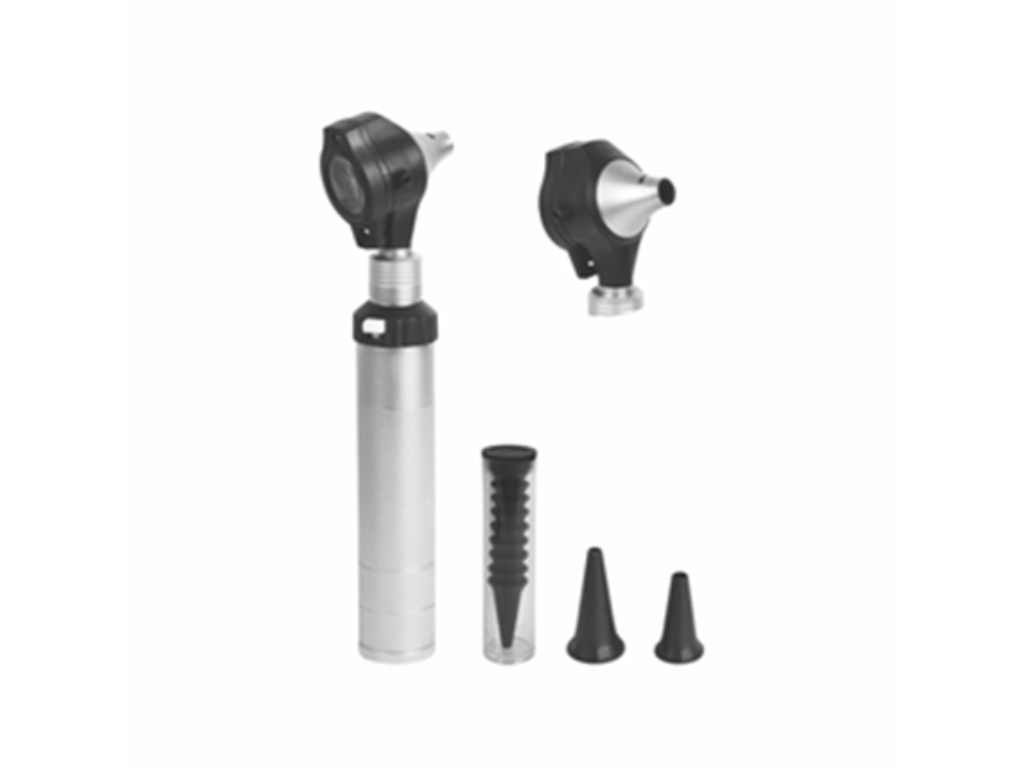
Otoscope

Offering the highest visual fidelity in the examination of the ear canal and eardrum, it is an indispensable diagnostic tool for every ENT specialist and family physician. Thanks to advanced fiber-optic light transmission technology, it illuminates the examination area uniformly without casting shadows and eliminates bulb protrusions that restrict the field of view. The scratch-resistant glass lens, capable of 3x or higher magnification, displays the finest details of anatomical structures without distortion.

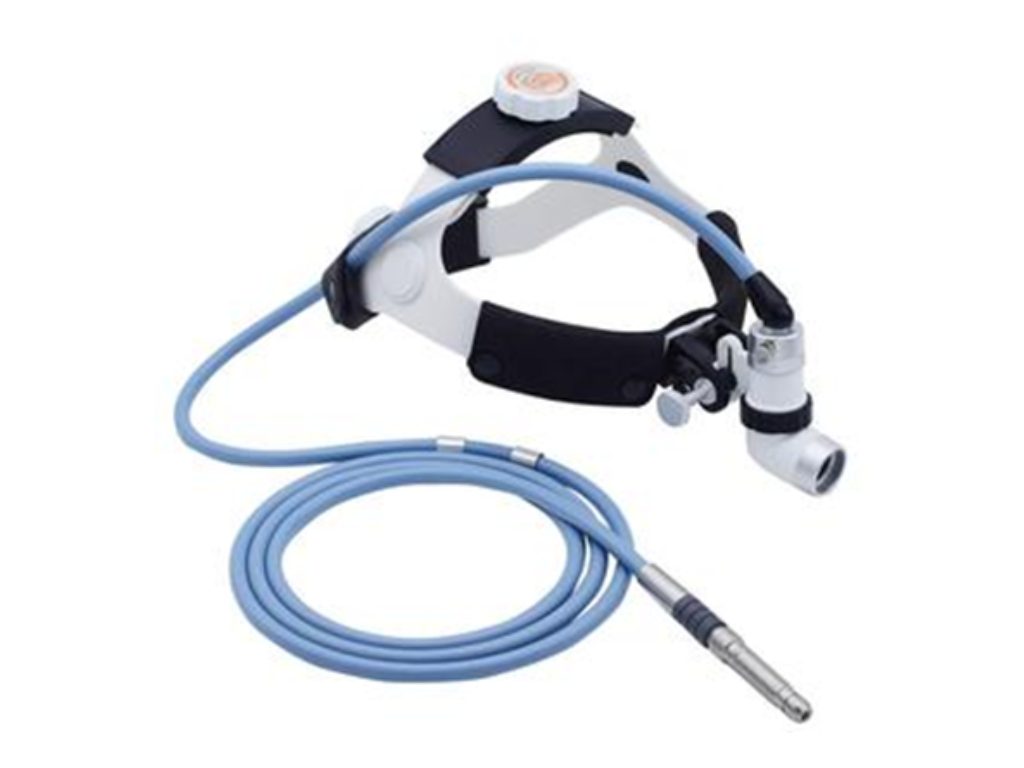
Headlight

This state-of-the-art optical aid operates in perfect synchronization with the surgeon’s perspective, illuminating deep tissue spaces and narrow canal structures without casting shadows. Unlike traditional light sources, its wireless and lightweight design provides the surgeon with unlimited freedom of movement during surgery. High-intensity LED technology produces a pure white light within the natural daylight spectrum, maximizing tissue differentiation and the visibility of vascular structures.

Surgical Suction Unit

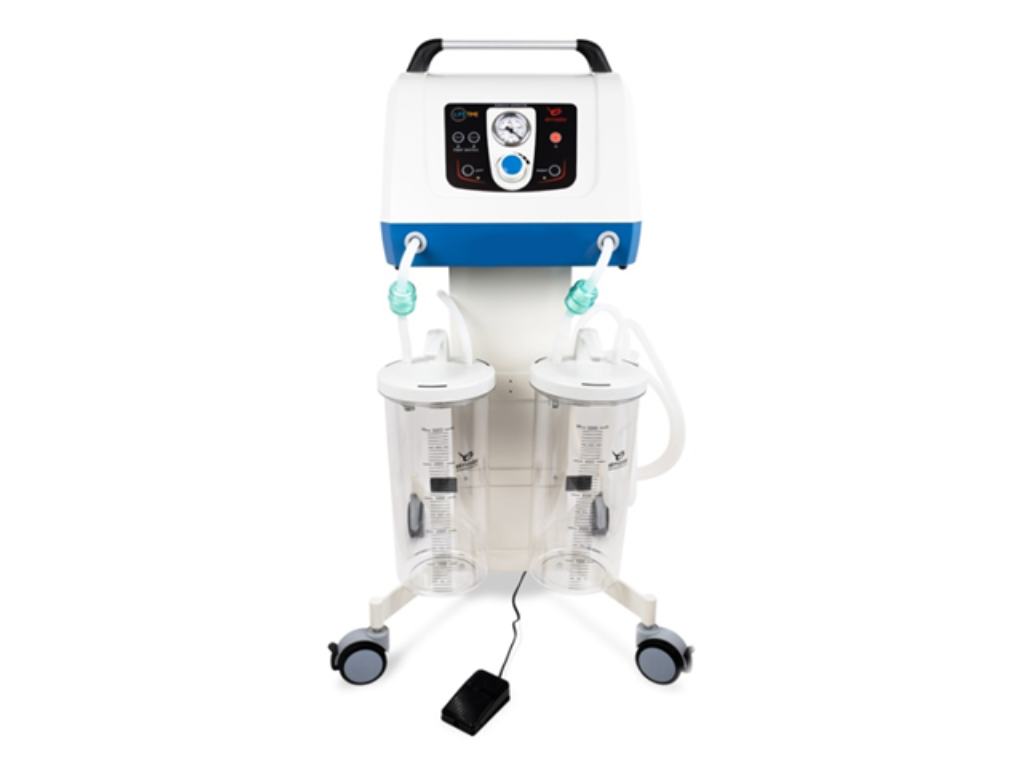
It is a critical suction system designed to rapidly remove blood, mucus, and other bodily fluids generated during surgery or patient care using high vacuum power. Thanks to its adjustable vacuum level, it offers a wide range of application flexibility, from the most delicate tissue procedures to intensive surgical processes. Its quiet and vibration-free operation enhances operating room comfort, while hydrophobic bacterial filters and easily cleanable collection jars minimize the risk of cross-contamination.

ENT Camera Unit

It is the central imaging workstation in modern ENT clinics, providing crystal-clear visualization of the narrowest anatomical regions during examinations of the ear canal, nasal passages, and larynx. Thanks to advanced CMOS/CCD sensor technology, it displays mucosal structure and vascular details with natural color fidelity in Full HD or 4K quality.

Exercise Machine

This is an advanced diagnostic system that synchronously records the heart’s response to increased oxygen demand during physical activity and its electrical activity (ECG). Comprising an advanced treadmill and a high-resolution ECG module, this station serves as the gold standard for diagnosing coronary artery disease, detecting exercise-induced arrhythmias, and assessing the patient’s functional capacity.

Holter Monitor

Unlike short-term measurements taken in a hospital, this is a portable diagnostic technology that records the patient’s heart rhythm or blood pressure during daily activities over a period of 24 to 72 hours (or longer). With its compact and lightweight design, this system collects data without disrupting the patient’s comfort and is uniquely capable of detecting “silent” arrhythmia episodes, exercise-induced ischemia symptoms, and blood pressure fluctuations.

Gynecological Examination and Procedure Table

This is a multifunctional medical unit designed for gynecological examinations, urological checkups, and minor surgical procedures. Thanks to its quiet and vibration-free motor system, it effortlessly adjusts height, backrest angle, and Trendelenburg position with a single foot pedal or hand control.

Blood Pressure Monitor

It is a professional vital signs monitoring system designed to continuously monitor blood pressure readings in critically ill patients with high precision. Unlike standard devices, it features advanced clinical algorithms capable of producing the most accurate systolic and diastolic readings even in patients with low perfusion (weak pulse) or who are moving.

Thermometer

Thanks to advanced infrared sensor technology, this state-of-the-art diagnostic device measures body temperature without skin contact, in just one second and with high accuracy. It is particularly suitable for outpatient clinics and hospital settings with high patient traffic, where it completely eliminates the risk of cross-infection, ensuring a safe and hygienic measurement process.

Top A. Lamp

By providing shadow-free, high-intensity light in the surgical field, it offers the surgeon a flawless field of view. Thanks to advanced LED technology, it preserves the natural colors of tissues (CRI) and minimizes heat dissipation, ensuring comfort during long surgical procedures.

EMG Device

An advanced electrophysiology system that records the electrical activity of nerves and muscles with millisecond precision, and is considered the gold standard for diagnosing neuromuscular disorders. Thanks to its low-noise amplifier technology and high sampling rate, it converts even the weakest bioelectric signals into crystal-clear digital data.

EEG Machine

This advanced diagnostic system monitors the brain’s electrical activity non-invasively through the scalp and is used in a wide range of applications, from epilepsy diagnosis to sleep disorders. Thanks to advanced digital signal processing technology and high sampling rates, it records even the slightest deviations in brain waves (Alpha, Beta, Theta, Delta) and epileptiform discharges with crystal clarity.