Pathology Medical Devices

Tissue Staining Device

This is an advanced diagnostic unit that enables the automatic processing of tissue samples cut with a microtome in pathology laboratories using specific stains (H&E, special stains, etc.) before proceeding to the diagnostic phase. By eliminating human-induced errors and time loss associated with manual staining processes, it ensures that standard, high-contrast, and clear images are obtained on every slide.
Tissue Monitoring Device

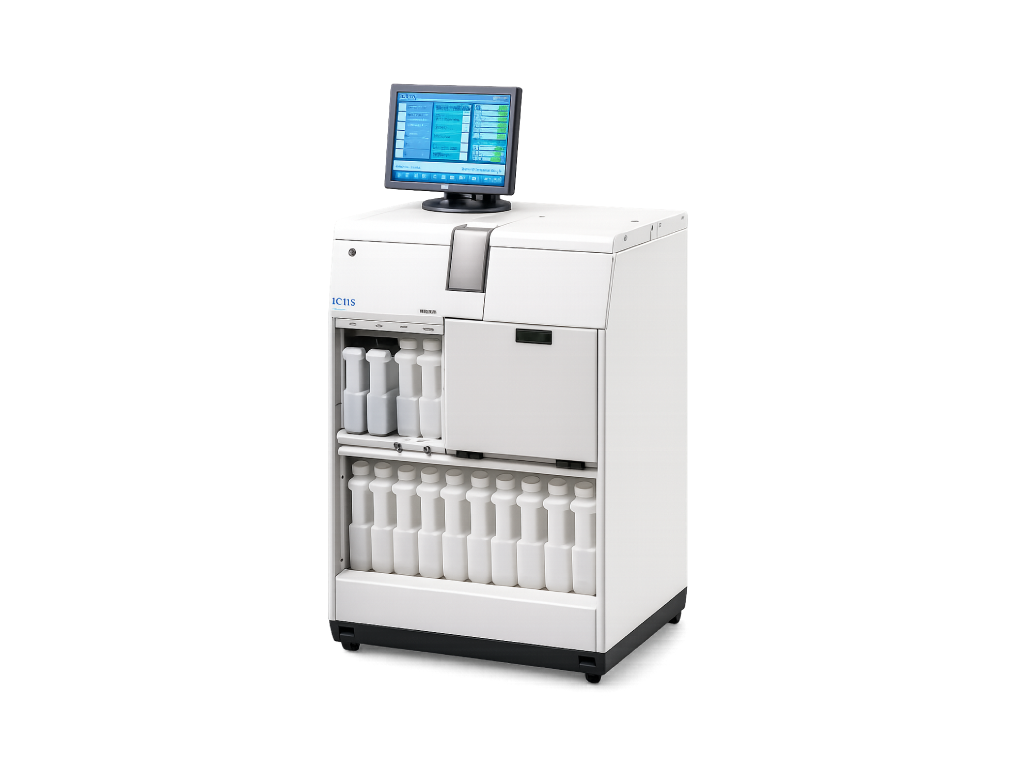
It is the main processing center of the laboratory, where fresh tissue samples from the operating room undergo the stages of fixation, dehydration, clearing, and paraffin infiltration to achieve the firmness required for microscopic sections. During this process, water within the tissue is removed using a series of alcohol and solution steps, and paraffin is impregnated in its place.

Microscope Cabinet

This is a high-tech protection and climate control unit designed to prevent the sample from being affected by environmental factors (light, dust, temperature fluctuations, and airflow) during advanced microscopy applications. It enables long-term observations by preserving the natural environments of biological samples on the microscope stage , thereby enabling long-term observations.

Tissue Blocking Device

This is a modular laboratory unit in which tissue samples obtained from the tissue processing workflow are converted into paraffin blocks suitable for sectioning on a microtome. It ensures that the tissue sample is placed into the cassette with proper orientation, hot paraffin is poured over it, and it is then rapidly frozen to form a block.

Microtome

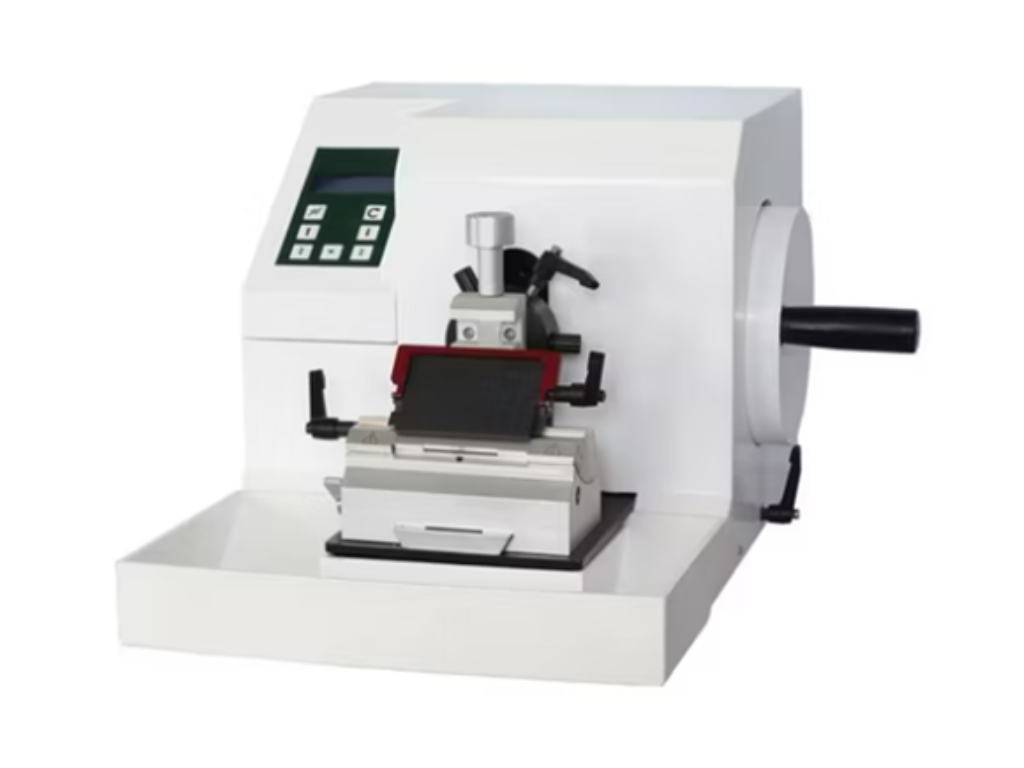
It is a highly precise mechanical device used to obtain sections that are thin and smooth enough to be examined under a light microscope from tissue samples embedded in paraffin blocks. This unit, which is the cornerstone of modern pathology laboratories, produces the “section strips” necessary for the surgeon and pathologist to make a diagnosis using manual, semi-automatic, or fully automatic mode options.

Oven

It is essential laboratory equipment used for drying and dehumidifying microbiological and chemical samples, sterilizing glassware, or conducting stability tests at specific temperatures (typically ranging from room temperature to 250°C/300°C). By heating the air inside the chamber uniformly, it ensures equal thermal energy transfer to every point of the samples.

Centrifuge

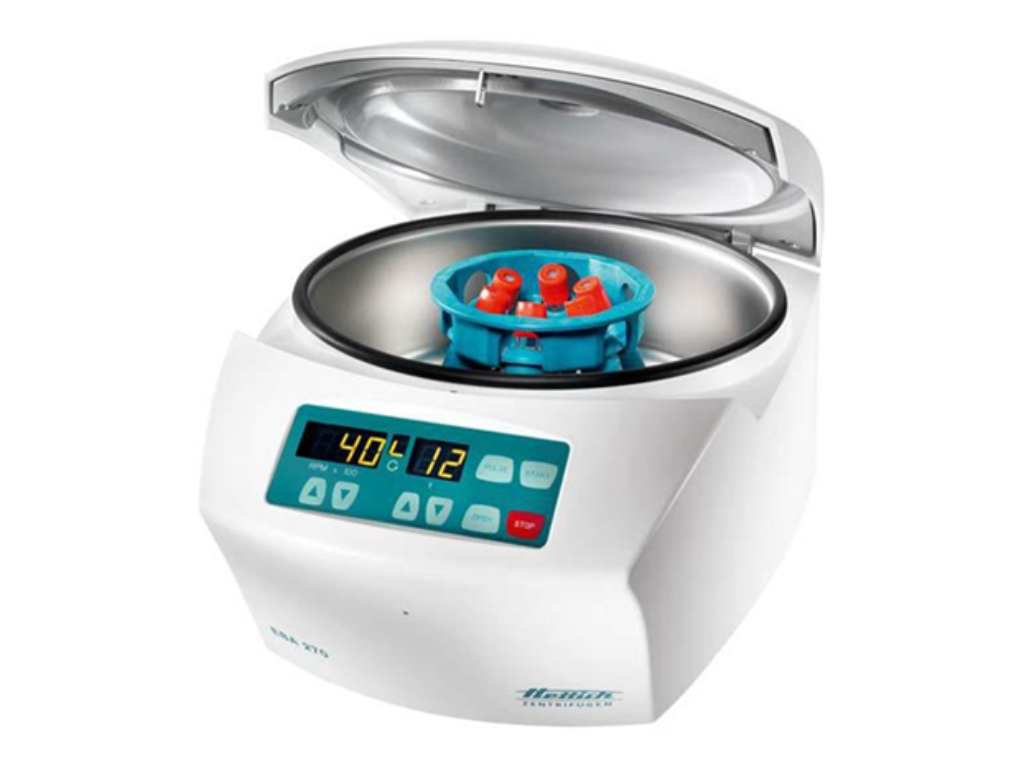
It is the core workstation in laboratories that separates liquid components of varying densities (blood, urine, cell suspensions, etc.) using centrifugal force generated by high-speed rotation. Advanced microprocessor control allows for precise adjustment of speed (RPM) and force (RCF) without damaging the molecular structure of the samples.